
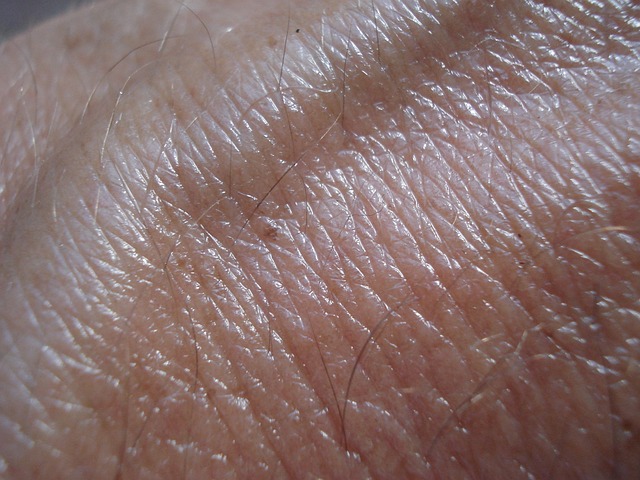
A research team from the University of Queensland in Australia has set a groundbreaking milestone in the history of medical science. They have successfully used stem cell technology to produce an artificial human skin that is almost equivalent to real human skin.
Features of the revolutionary technology
The artificial skin created through this unprecedented discovery is not just a simple tissue sample. It includes various components such as:
A complex circulatory system and a complete nervous system, effective hair follicle formation, a multilayered tissue structure, active immune cells, etc.
Together, these components have created a living skin model that looks like real human skin and can almost exactly imitate biological activities.
Dr. Abbas Shafi, the head of the research team, said, “This skin model we have created demonstrates the highest liveliness in such research worldwide.”
The research method is very complex and delicate. In the initial stage, human stem cells are grown in a Petri dish in a specific process. These cells are then slowly grown into tiny skin-like structures, which the researchers call ‘skin organoids’.
In the next stage, the same stem cells are used to form ultra-fine blood vessels. In this way, all the components are added one by one, following the natural growth process, to create complete skin.
This innovative technology has opened up new steps in solving various medical problems:
Treatment of burns: This artificial skin can be used to replace severely burned patients.
Complex skin diseases: This medium has given new hope in treating incurable skin diseases such as psoriasis, atopic eczema and scleroderma.
Drug testing: This artificial skin could be an ideal way to test the benefits and side effects of new drugs.
Behind this remarkable achievement is six years of research and hard work. Professor Kiarash Khosrotehrani, another prominent member of the research team, commented, “Treating complex skin diseases has been a major challenge until now. But our new model opens up unprecedented possibilities for patients with chronic skin diseases.”
The results of this research will play an important role in the future direction of medical science. It is expected that this technology will be produced on a commercial basis and used in the service of patients worldwide within the next few years. This success is not limited to skin treatment, but is expected to open a new chapter in all fields of regenerative medicine.